Multi-Source Ceiling Leak Detection and Repair in a Philadelphia Main Line Home
Ardmore, PA – The Problem: Recurring Bedroom Ceiling Leaks, Chimney Moisture, Window Water Intrusion, and HVAC Condensation
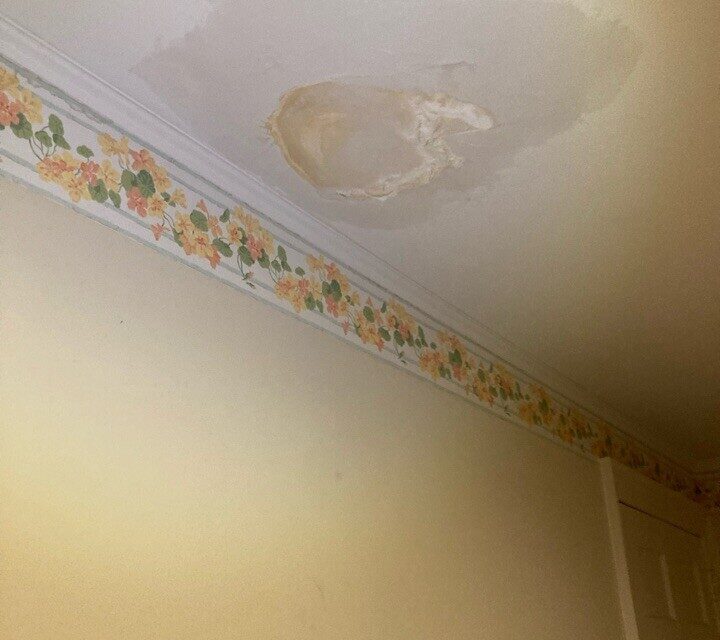
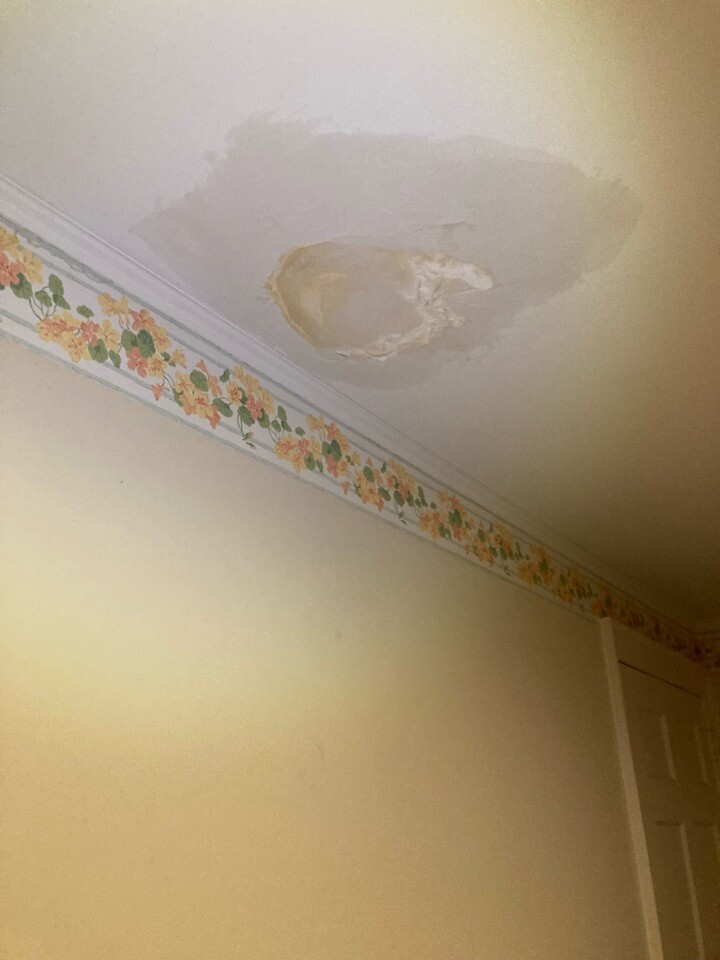
The homeowner contacted Dr. Leaks after noticing progressive deterioration and staining on a second-floor bedroom ceiling. The damage had been developing for approximately six months, becoming increasingly noticeable after rainstorms, even though the homeowner had not observed an active leak.
Further investigations revealed several potential sources of moisture affecting the same bedroom, including deteriorated chimney waterproofing details, a vulnerable third-floor dormer window, and condensation associated with inadequately insulated HVAC ductwork.
Rather than assuming that all the ceiling damage originated from a single roof leak, Dr. Leaks conducted targeted investigations to evaluate the different areas of concern and develop a repair plan for each suspected source.
The Leak Detection Process: Investigating the Roof, Chimney, Window, and HVAC System
1. Investigating the Roof Vent and Initial Ceiling Damage
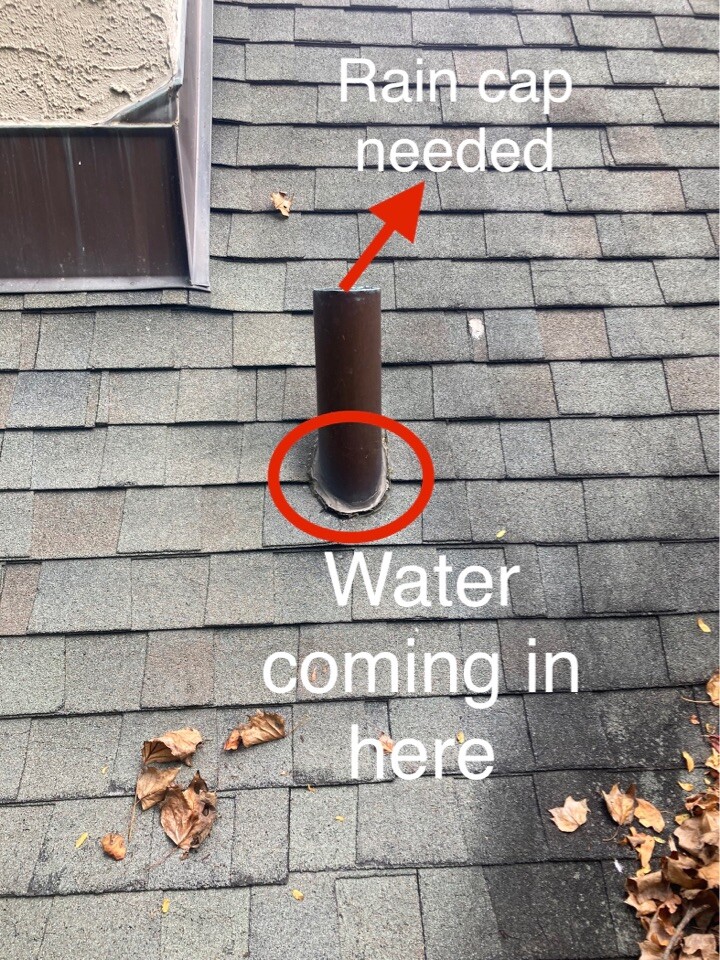
During the initial inspection, Dr. Leaks examined the roof area directly above the affected bedroom ceiling. The team discovered that the sealant surrounding a roof vent penetration had deteriorated significantly, with visible cracks around the base of the vent.
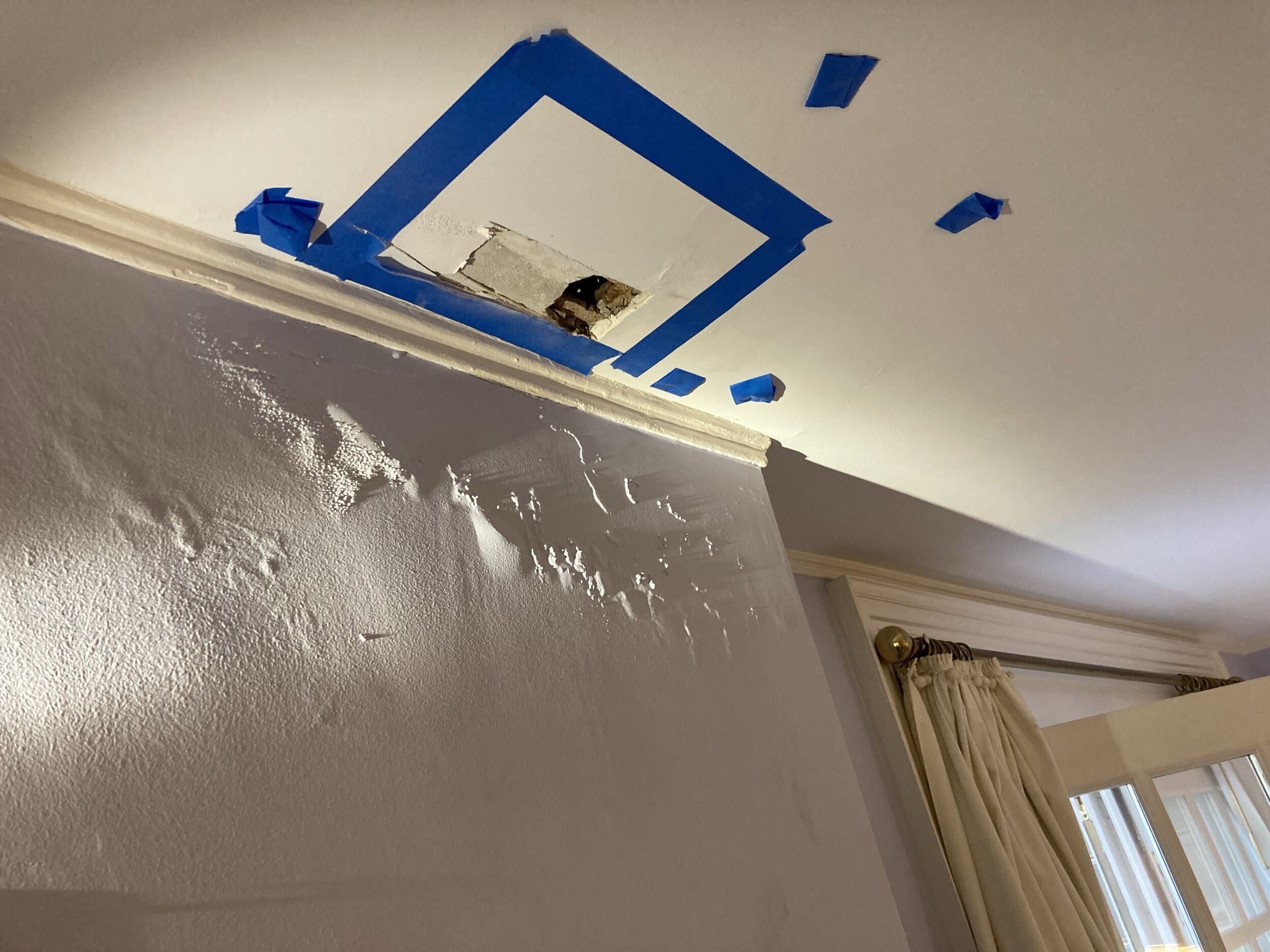
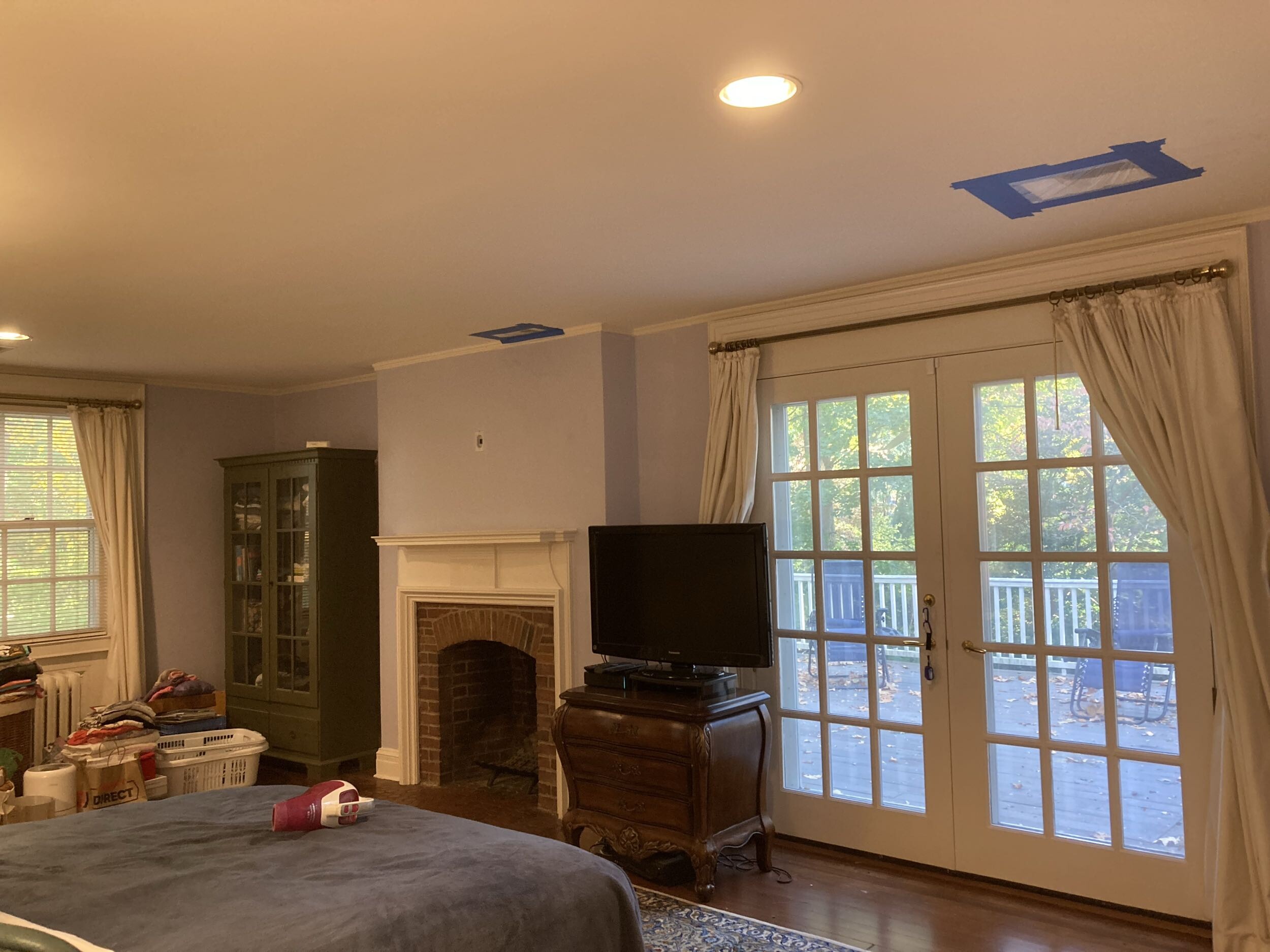
To investigate the source of the moisture, the team opened a small inspection area in the bedroom ceiling, removing thick original plaster and insulation to gain visibility into the concealed space.
Controlled water testing immediately reproduced water intrusion at the base of the vent where it met the shingles. Additional testing inside the vent also produced water intrusion, although at a lower volume.
These findings identified a compromised roof penetration as a source requiring corrective work. The recommended repair included a custom-fabricated metal pipe base designed to accommodate the steep roof pitch, new waterproofing at the penetration, reinstallation of the surrounding shingles, and a protective vent cap.
2. Investigating Water Intrusion Around the Chimney
Subsequent investigations focused on additional staining and moisture affecting the same second-floor bedroom.
After opening another inspection area, the team observed significant efflorescence on the brick above the ceiling. Efflorescence is a mineral deposit that can appear when moisture moves through masonry and leaves behind soluble salts.
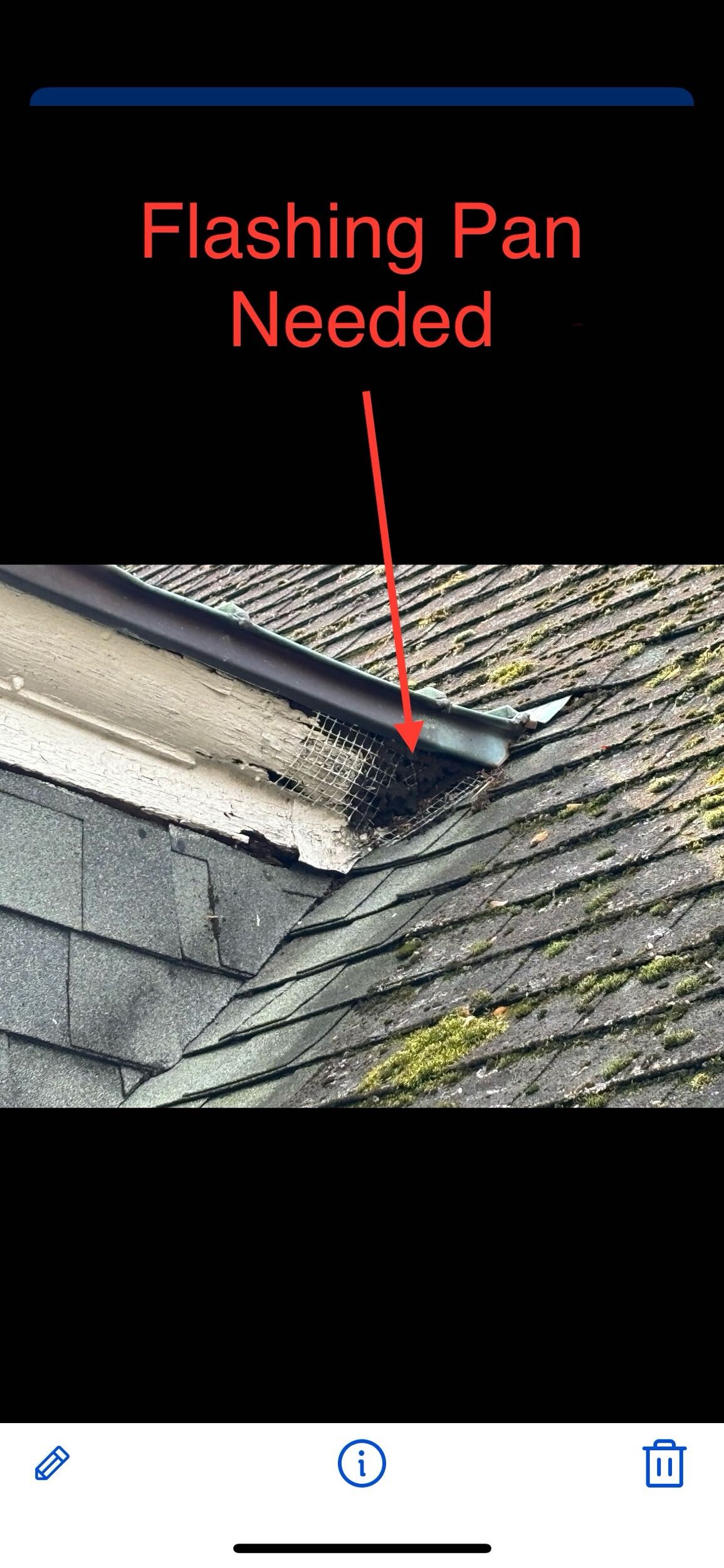
Dr. Leaks performed controlled water tests around the nearby roof shingles, copper diverter, and metal flashing. Initial testing produced little or no visible response. However, testing higher along the flashing area resulted in gradual saturation of the wood above the ceiling.
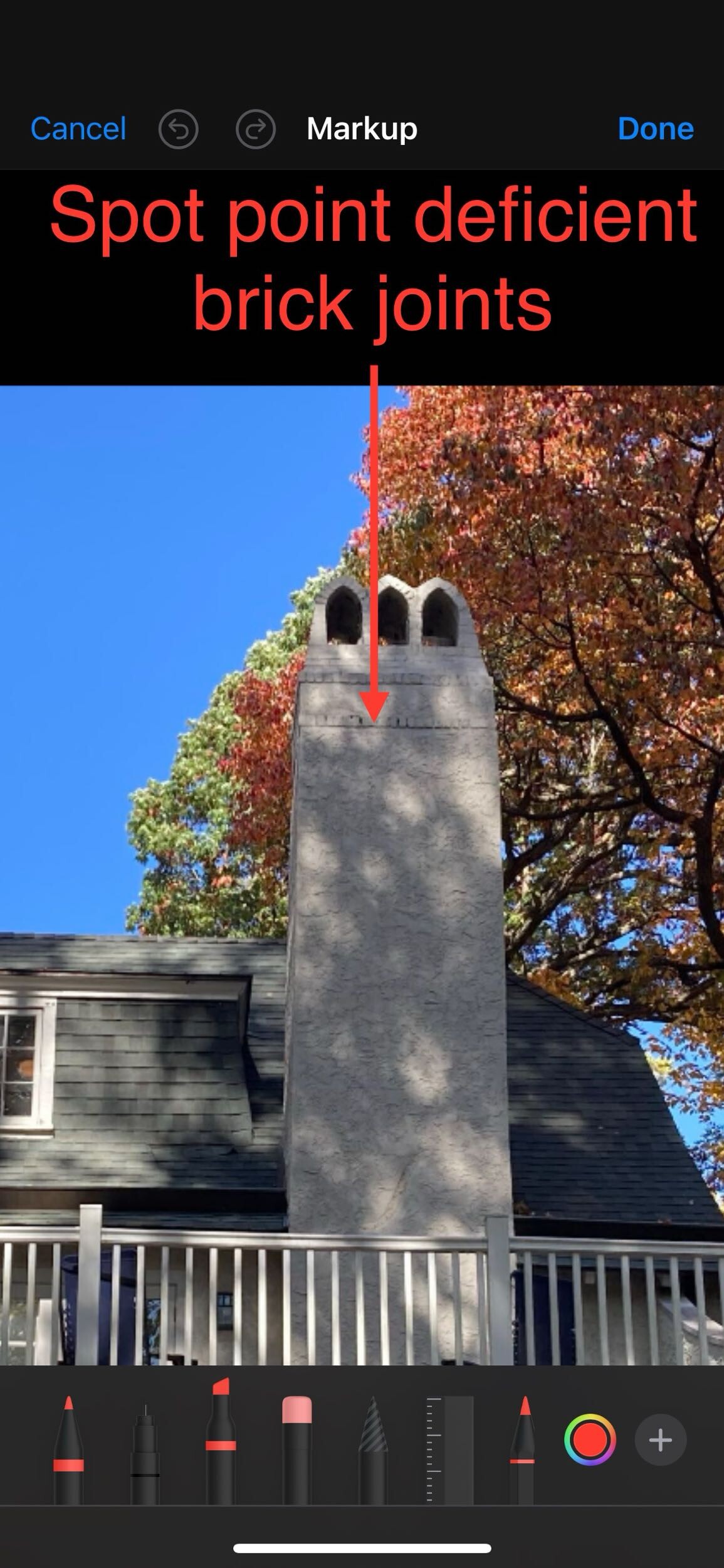
The observed conditions suggested that water could be entering through vulnerable connections between the chimney stucco and copper counter flashing, with additional concerns identified around nearby hairline cracks, an exposed roofing nail, and a loose shingle.
The proposed corrective work included filling cracks in the chimney stucco, addressing deficient mortar joints, sealing the chimney counter-flashing connection, securing loose shingles, and correcting the exposed nail detail.
These repairs were intended to address potential water entry points in the chimney and adjacent roofing system without assuming that the entire roof required replacement.
3. Tracing Water Intrusion to an Upper-Level Dormer Window
A separate investigation focused on water appearing in the second-floor bedroom near a window assembly serving the third-floor bedroom and adjoining bathroom.
The team inspected the ceiling cavity and performed water testing around the bathroom fixtures and the exterior window area. Testing of the sink and toilet did not reproduce the leak, and spraying the shingles below the window initially produced no results.
When testing was extended to include the bottom of the window, water intrusion became evident. The exterior trim was identified as a likely contributing factor, given its age and condition, although the window was not fully latched during testing.
Based on these findings, Dr. Leaks recommended replacing the affected window assembly and rebuilding the surrounding waterproofing details. The proposed work included inspecting the framed opening for deterioration, installing sill flashing, integrating flashing tape with the window and roof, replacing the exterior trim with composite material, and resealing the adjacent shingles.
This approach was designed to improve water management at the window opening and its intersection with the sloped roof.
4. Investigating Faint Ceiling Stains and HVAC Condensation
The homeowner also reported faint water stains along hairline cracks in the bedroom ceiling above the bed. During a follow-up investigation, Dr. Leaks inspected the attic space directly above the affected area.
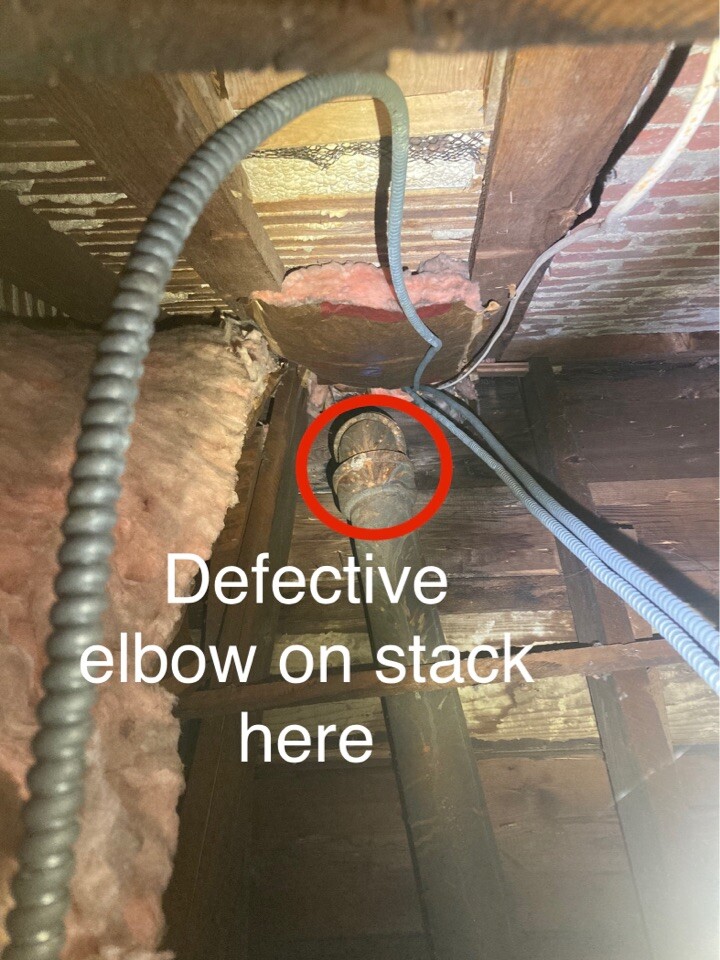
The team found two HVAC units and examined the associated ductwork. Much of the metal ductwork was uninsulated, and several joints had been sealed with conventional gray duct tape rather than HVAC foil tape. Black microbial growth was observed on the tape and nearby PVC piping.
The location of the moisture staining, particularly beneath a long, sloped section of ductwork, suggested that condensation could be dripping from the ductwork during hot weather.
This investigation highlighted an important distinction: not all ceiling stains originate from roof leaks. In some situations, moisture from HVAC condensation can produce damage that resembles rainwater intrusion.
The recommended repair involved replacing the remaining accessible metal ductwork in the affected area with insulated flexible ductwork and sealing seams and termination points with HVAC foil tape.
The Repair Strategy: Addressing Each Source of Moisture
The investigations identified several distinct areas requiring attention. Rather than treating the visible ceiling damage as an isolated problem, Dr. Leaks developed a repair plan focused on the underlying building components.
The documented recommendations included:
- Roof vent waterproofing: Fabricating and installing a custom metal pipe base, improving the seal around the roof penetration, and addressing the surrounding shingles.
- Chimney leak repair: Sealing vulnerable stucco and counter-flashing connections, addressing deficient masonry joints, and securing compromised roofing details.
- Dormer window leak repair: Replacing the affected window assembly and improving sill flashing, side-channel flashing, exterior trim, and roof integration.
- HVAC condensation control: Replacing accessible uninsulated ductwork with insulated flexible ductwork and properly sealing the connections.
- Interior ceiling restoration: Removing water-damaged plaster and insulation as necessary, preparing the affected surfaces, patching the plaster, applying stain-blocking primer, and repainting after the moisture problems have been addressed.
Dr. Leaks’ documented process calls for completing the necessary leak repairs before undertaking cosmetic restoration. The company also recommends allowing three to four comparable weather events to occur before proceeding with interior cosmetic work, helping determine whether rain-related leaks have been resolved.
Documenting the Investigation and Repair Process
Photographs taken during the project document the conditions discovered during the investigations, including the roof and chimney details, deteriorated window components, concealed ceiling conditions, and HVAC ductwork.
The photographs can be used to illustrate the progression from initial symptoms to investigation and corrective work.
Suggested photo gallery sections:
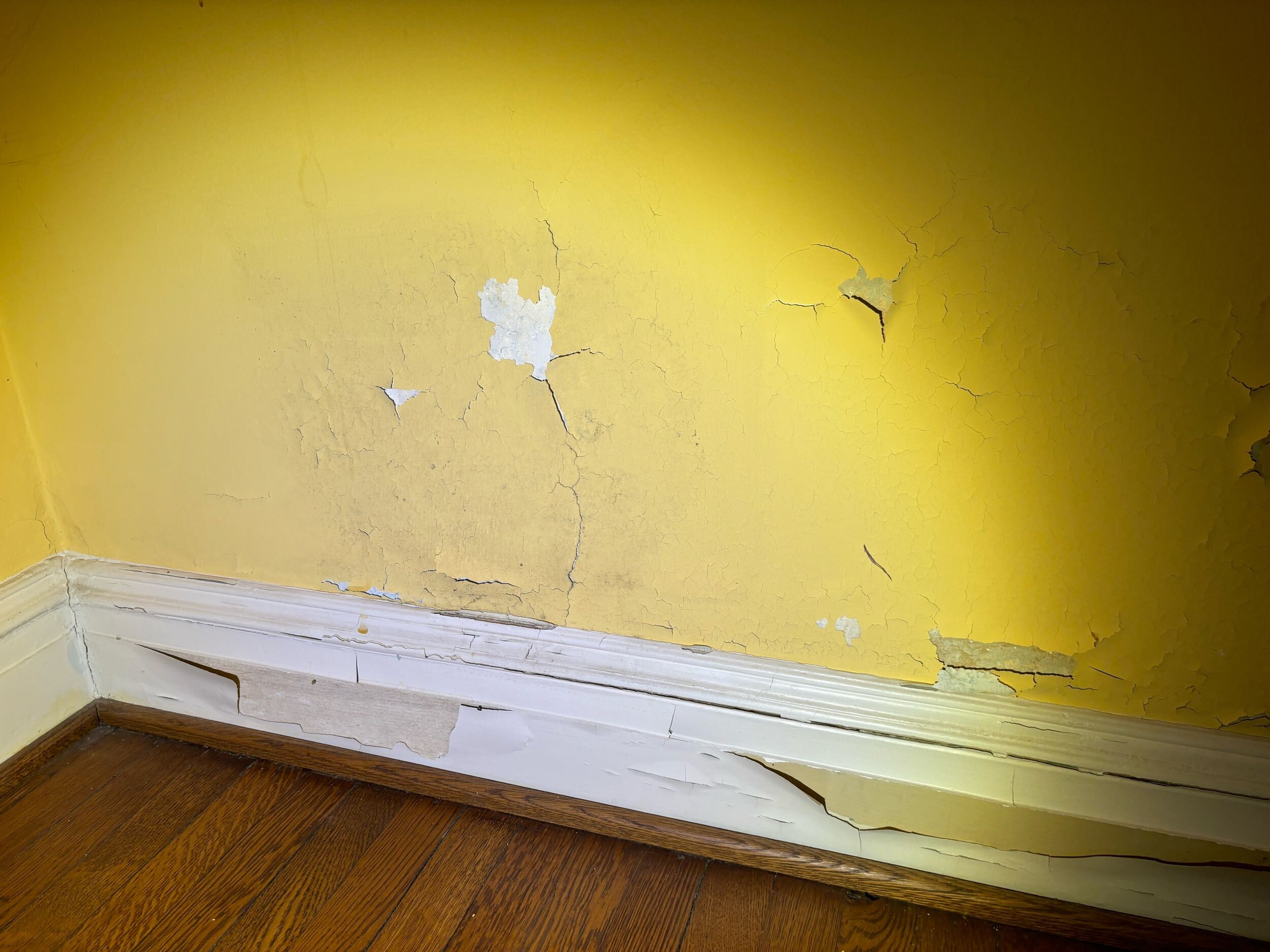
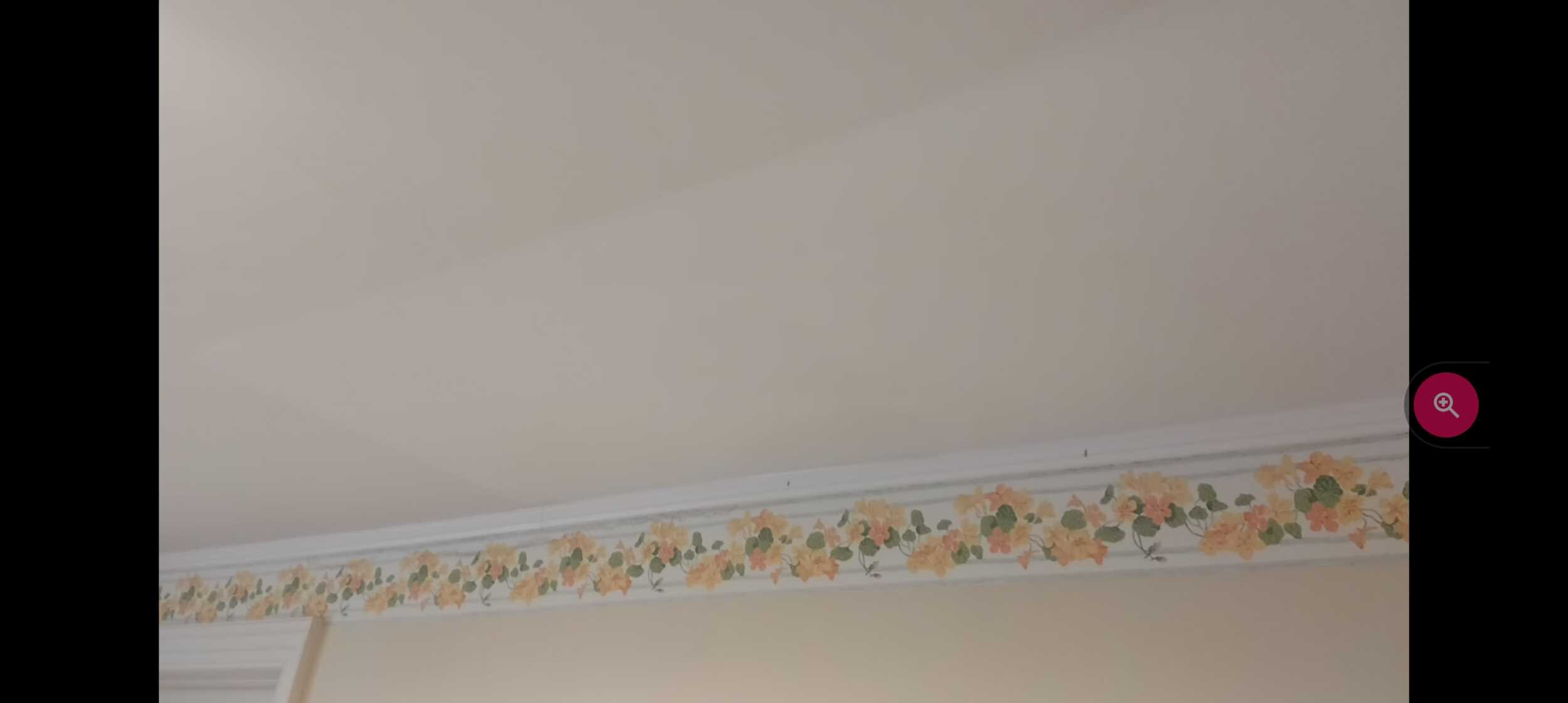
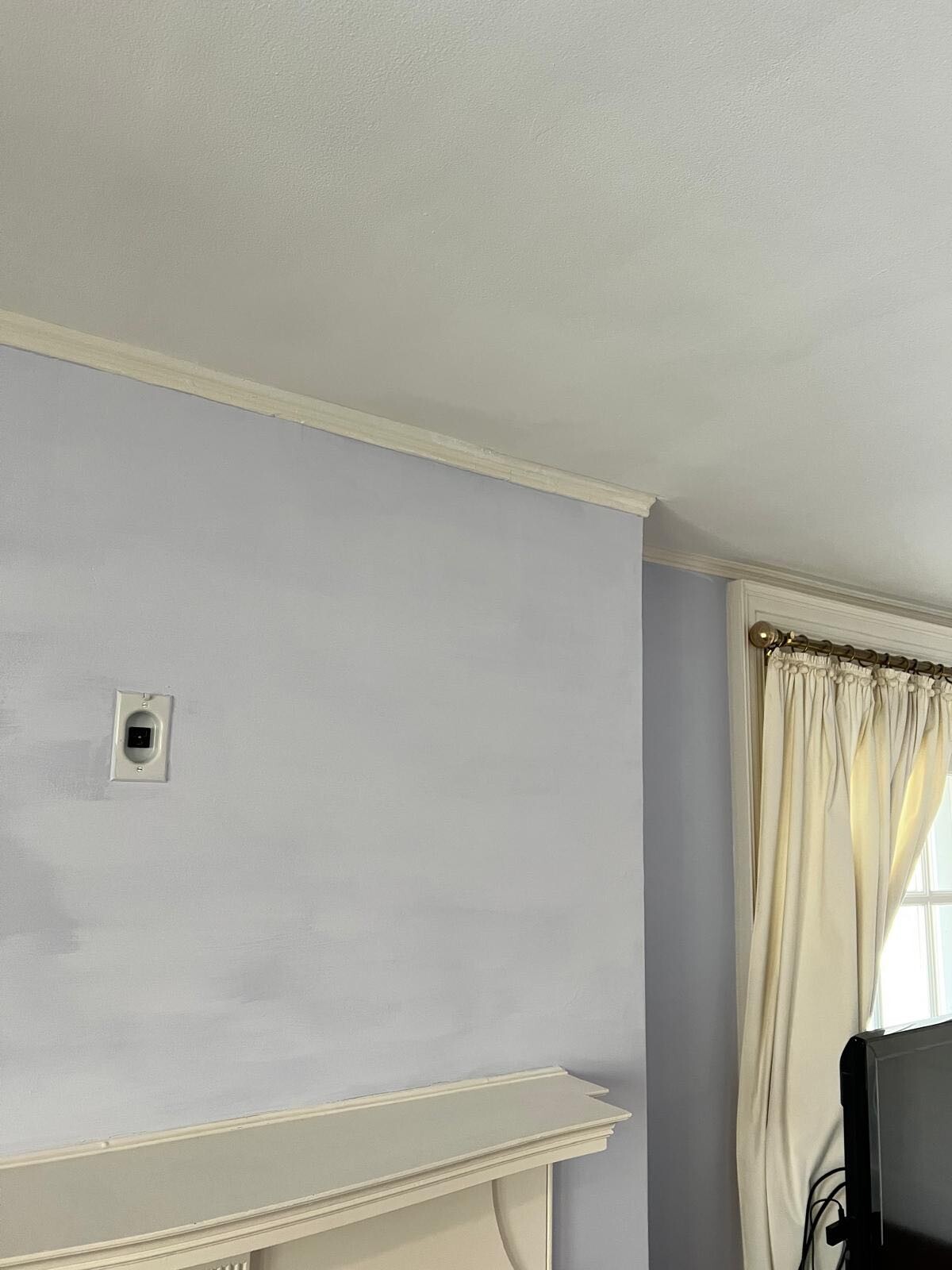
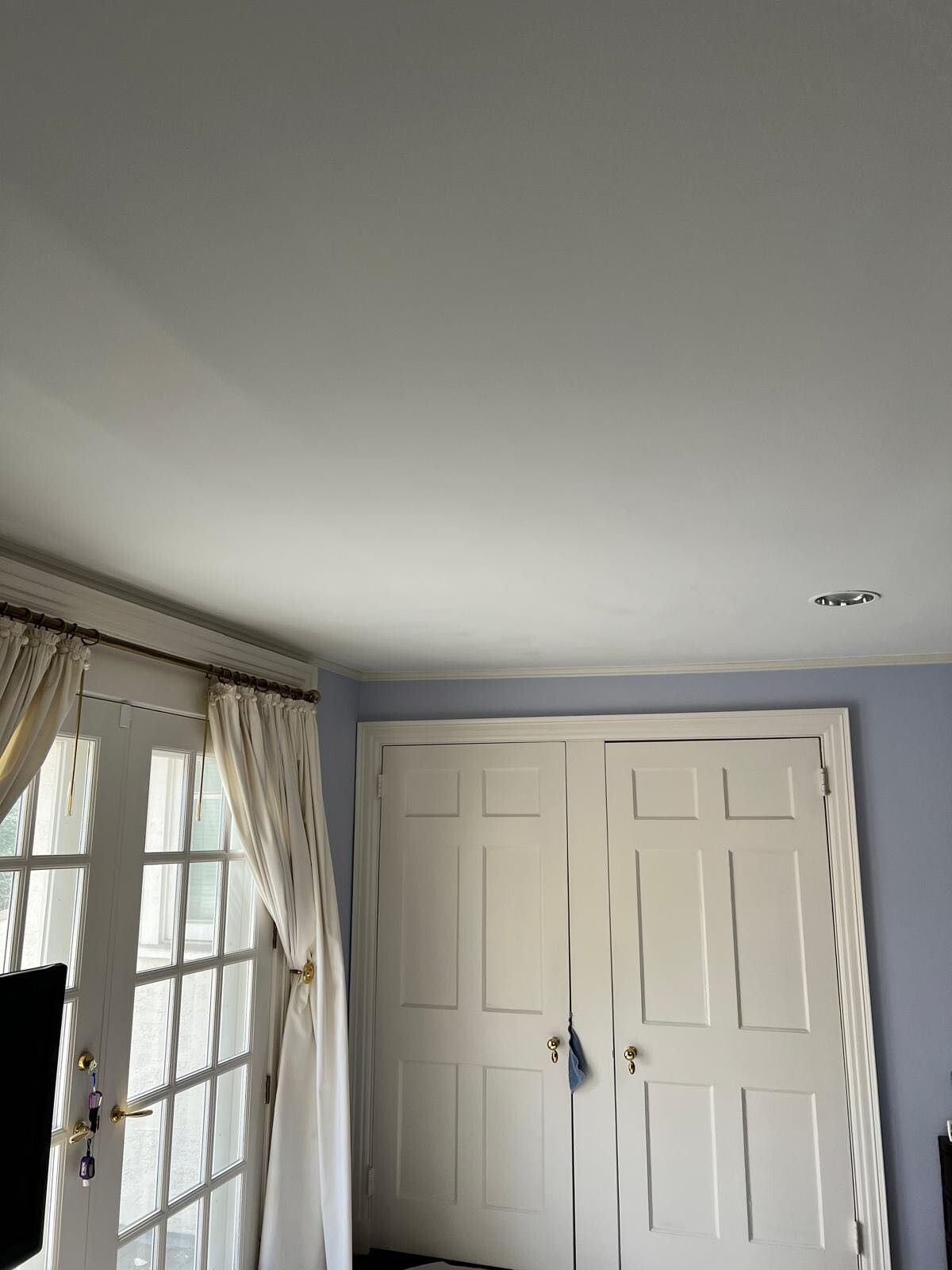
- Original Ceiling Damage: Peeling paint, discoloration, and deteriorated plaster in the second-floor bedroom.
- Roof Vent Inspection: Deteriorated sealant and the roof penetration identified during the initial investigation.
- Concealed Moisture Damage: Opened ceiling areas showing the original plaster, insulation, and conditions above the ceiling.
- Chimney and Roofing Investigation: Stucco cracks, counter-flashing details, exposed roofing nail, and loose shingles.
- Dormer Window Investigation: Exterior window trim, roof intersections, and the window opening requiring improved waterproofing.
- HVAC Condensation Investigation: Uninsulated ductwork, taped connections, and visible microbial growth.
- Completed Repairs: Photographs of the finished roof, chimney, window, HVAC, and interior restoration work, where available.
Why Multiple Leak Sources Require a Thorough Investigation
Recurring ceiling stains can be difficult to diagnose because water may travel along framing, masonry, roofing components, or other concealed surfaces before becoming visible inside a room.
In this project, several different conditions were investigated, including a deteriorated roof penetration, potential water entry around chimney flashing, a vulnerable dormer window assembly, and suspected condensation from HVAC ductwork.
Each required a different investigative approach and a repair strategy suited to the affected building component.
For homeowners experiencing recurring ceiling stains, peeling paint, damp plaster, or water damage that returns after rainstorms, identifying the source of moisture is an important first step toward determining the appropriate repair.
Dr. Leaks provides leak detection, repair planning, and related restoration services for homeowners throughout Philadelphia and the surrounding Main Line communities.
Need Ceiling Leak Detection or Plumbing Leak Repair in the Philadelphia Main Line?
Water stains, damp drywall, musty odors, and unexplained moisture can indicate a hidden plumbing leak or another source of water intrusion. Left unaddressed, ongoing moisture can damage drywall, insulation, trim, and other interior materials.
Dr. Leaks provides leak detection, plumbing leak repair, water damage repair, mold remediation, and cosmetic restoration services for homeowners throughout Bryn Mawr and Philadelphia’s Main Line.
Whether you’re dealing with a leaking drainpipe, unexplained basement water stains, damaged drywall, or suspected mold growth, identifying the source of the moisture is the first step toward an effective solution.
Contact Dr. Leaks today to schedule basement leak detection and repair in Ardmore, PA, and throughout the Philadelphia Main Line.